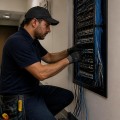
In today's technologically driven world, low voltage contractors play a crucial role in ensuring that various systems operate efficiently and safely. These professionals specialize in the installation and maintenance of low voltage systems, which include essential services such as security systems, audio-visual setups, network cabling, and home automation. Their expertise is vital for both residential and commercial projects, where the demand for reliable and efficient low voltage solutions continues to grow. The work of a low voltage contractor goes beyond mere installation; it encompasses a comprehensive understanding of the technologies involved and the ability to integrate them seamlessly into existing infrastructures. This integration is critical, as it ensures that all components work harmoniously together, providing users with a cohesive experience.
As such, hiring a qualified low voltage contractor can significantly enhance the functionality and safety of your property. As we delve deeper into the topic of low voltage contractors, an important aspect to consider is the warranties they offer on their work. Understanding these warranties can provide peace of mind for clients, ensuring that their investment is protected against potential issues that may arise after installation. In the following sections, we will explore what types of warranties are typically offered by low voltage contractors and how they can impact your decision-making process when selecting a contractor for your next project.
What is a Low Voltage Contractor?
A low voltage contractor specializes in the installation and maintenance of systems that operate on low voltage, typically under 50 volts. These systems are essential for various applications, including security, communication, and entertainment.Unlike traditional electrical contractors who handle high voltage wiring, low voltage contractors focus on systems that require less power but are equally critical for functionality and safety.Some common types of low voltage systems that these contractors work with include:
- Security Systems: This includes surveillance cameras, alarm systems, and access control systems that help protect residential and commercial properties.
- Audio/Video Systems: Low voltage contractors install home theater systems, intercoms, and distributed audio systems that enhance entertainment experiences.
- Data Networking: They set up structured cabling for internet and phone services, ensuring reliable connectivity for homes and businesses.
- Home Automation: This encompasses smart home technologies that allow homeowners to control lighting, climate, and security remotely.
The Importance of Warranties in Contracting Work
When engaging a low voltage contractor, understanding the significance of warranties is crucial for both parties involved. Warranties serve as a safeguard for clients, ensuring that the work performed meets specific standards and is free from defects.This assurance not only protects the client’s investment but also fosters trust between the contractor and the client.
Importance of Warranties
- Protection Against Defects: A warranty provides clients with peace of mind, knowing that if any issues arise due to poor workmanship or faulty materials, they will be addressed without additional costs.
- Quality Assurance: Contractors who offer warranties are often more committed to delivering high-quality work. They understand that their reputation is on the line, which motivates them to adhere to industry standards.
- Financial Security: Warranties can save clients money in the long run. If a problem occurs after the project is completed, having a warranty means that repairs or replacements will be covered, preventing unexpected expenses.
Benefits of Warranties
- Enhanced Client Confidence: Knowing that a low voltage contractor stands behind their work can significantly boost client confidence in their services.
- Encouragement of Professionalism: Warranties encourage contractors to maintain high standards throughout their projects, as they are accountable for their work.
- Long-term Relationships: Offering warranties can lead to repeat business and referrals, as satisfied clients are more likely to recommend contractors who provide reliable guarantees.
When selecting a low voltage contractor, it is advisable to inquire about warranty options to ensure comprehensive coverage and peace of mind.
Do Low Voltage Contractors Offer Warranties?
When considering the services of a low voltage contractor, one of the most important factors to evaluate is whether they offer warranties on their work. Warranties can provide peace of mind, ensuring that any potential issues arising from the installation or service will be addressed without additional costs.Generally, many low voltage contractors do offer warranties, but the specifics can vary significantly from one contractor to another. Here are some common aspects of warranty policies you might encounter:- Duration: Warranties can range from a few months to several years, depending on the type of work performed and the contractor's policies.
- Coverage: Most warranties cover defects in workmanship and materials. However, it’s essential to clarify what is included and excluded in the warranty.
- Transferability: Some contractors offer transferable warranties, which can be beneficial if you decide to sell your property.
- Service Guarantees: In addition to warranties, many contractors provide service guarantees that ensure timely responses to any issues that arise after installation.
Ask for a written warranty agreement that outlines all terms and conditions. This not only protects your investment but also establishes a clear understanding between you and the contractor regarding expectations and responsibilities.In conclusion, while many low voltage contractors do offer warranties, the details can vary widely. Always do your due diligence by reviewing warranty policies and asking questions before committing to a contractor's services.
Types of Warranties Offered by Low Voltage Contractors
When hiring a low voltage contractor, understanding the types of warranties they offer is crucial for ensuring the longevity and reliability of your installation. Warranties can generally be categorized into two main types: service warranties and product warranties.Service Warranties
A service warranty typically covers the labor involved in the installation or repair of low voltage systems.This warranty ensures that if any issues arise due to improper installation or workmanship, the contractor will return to fix the problem at no additional cost to you. Service warranties can vary in duration, often ranging from one to five years, depending on the contractor and the complexity of the project.
Product Warranties
Product warranties, on the other hand, cover the equipment and materials used in your low voltage system. These warranties are usually provided by the manufacturers of the products installed by your contractor. For example, if you have a low voltage lighting system installed, the fixtures and wiring may come with their own manufacturer’s warranty, which can last anywhere from one year to a lifetime, depending on the product.Warranty Coverage
It’s important to read the fine print of both service and product warranties to understand what is covered.Common exclusions might include:
- Damage caused by misuse or neglect
- Natural disasters or acts of God
- Modifications made by unauthorized personnel
Factors Influencing Warranty Offerings by Low Voltage Contractors
When considering whether a low voltage contractor offers a warranty on their work, several key factors come into play. Understanding these factors can help clients make informed decisions and ensure they receive quality service.Contractor Experience
The experience level of a low voltage contractor significantly influences their willingness to provide warranties. Contractors with extensive experience often have a proven track record of successful projects and satisfied clients.They are more likely to offer warranties as a demonstration of their confidence in the quality of their work. Conversely, newer contractors may hesitate to provide warranties due to a lack of established credibility or experience in handling potential issues.
Project Scope
The scope of the project also plays a crucial role in warranty offerings. Larger and more complex projects typically involve greater risks and challenges, which may lead contractors to offer more comprehensive warranties. For instance, if a project includes intricate wiring systems or advanced technology installations, a contractor might provide a longer warranty period to assure clients of their commitment to quality and reliability.On the other hand, smaller projects may come with limited or no warranties, as the perceived risk is lower.
Materials Used
The quality of materials used in the installation can also affect warranty offerings. Contractors who utilize high-quality, reputable materials are more inclined to offer warranties since these materials are less likely to fail. In contrast, if cheaper or subpar materials are used, the contractor may limit their warranty coverage due to the increased likelihood of issues arising.Client Relationship
A strong relationship between the client and the low voltage contractor can also influence warranty offerings. Contractors who prioritize customer satisfaction and maintain open communication are more likely to provide warranties as part of their service commitment.Building trust through transparency and reliability can lead to better warranty terms for clients.In summary, factors such as contractor experience, project scope, materials used, and client relationships all play vital roles in determining whether a low voltage contractor will offer warranties on their work. Clients should consider these elements when selecting a contractor to ensure they receive adequate protection for their investment.
Common Questions About Warranties from Low Voltage Contractors
When considering the services of a low voltage contractor, many clients have questions regarding the warranties offered on their work. Understanding these warranties can help ensure that you are making a sound investment in your low voltage systems.What types of warranties do low voltage contractors typically offer?
Most low voltage contractors provide two main types of warranties:- Workmanship Warranty: This warranty covers the quality of the installation or service provided. It typically lasts from one to five years, depending on the contractor and the complexity of the project.
- Manufacturer's Warranty: This warranty applies to the equipment and materials used in the installation.
The duration varies by manufacturer but often ranges from one year to a lifetime, depending on the product.
Are warranties transferable?
In many cases, warranties from low voltage contractors can be transferred to new owners if you sell your property. However, it’s essential to check with your contractor for specific terms and conditions regarding transferability.What should I look for in warranty terms?
When reviewing warranty terms, consider the following:- Duration: Ensure you understand how long the warranty lasts and what it covers.
- Exclusions: Be aware of any exclusions that may void the warranty, such as improper maintenance or unauthorized repairs.
- Claim Process: Familiarize yourself with how to file a claim if issues arise. A clear process can save time and frustration.
How to Choose a Low Voltage Contractor with Good Warranty Policies
Choosing a low voltage contractor with solid warranty policies is crucial for ensuring the longevity and reliability of your installation.Here are some key considerations to keep in mind during your selection process:
- Research Contractor Reputation: Start by researching potential contractors. Look for reviews and testimonials that specifically mention their warranty policies. A contractor with a strong reputation is more likely to stand behind their work.
- Ask About Warranty Terms: When interviewing contractors, inquire about the specifics of their warranty. A good warranty should cover both labor and materials for a reasonable period.
Ensure you understand what is included and what might be excluded.
- Evaluate Experience: Consider the contractor's experience in the low voltage field. Contractors with extensive experience are often more confident in their work and may offer better warranties as a result.
- Check for Manufacturer Warranties: In addition to the contractor's warranty, check if they use products that come with manufacturer warranties. This can provide an additional layer of protection for your investment.
- Get Everything in Writing: Once you choose a contractor, ensure that all warranty details are documented in the contract. This protects you and ensures clarity on what to expect should any issues arise.
Remember, a solid warranty reflects a contractor's commitment to quality and customer satisfaction.
Conclusion: The Value of Warranties in Low Voltage Contracting Work
In conclusion, the importance of warranties in the realm of low voltage contracting cannot be overstated. As we have explored throughout this article, warranties serve as a crucial safety net for both contractors and clients, ensuring that the work performed meets industry standards and client expectations.When hiring a low voltage contractor, it is essential to inquire about the specific warranties they offer. These warranties typically cover:- Workmanship: Ensuring that the installation or service provided is free from defects.
- Materials: Guaranteeing that the materials used are of high quality and will perform as expected.
- Service Calls: Offering free service calls for a specified period after project completion.
Clients should ensure they are aware of:
- The duration of the warranty period.
- The specific coverage details.
- The process for making a claim if issues arise.